Navigating Septic and Well Systems: A Guide for Rural Property Buyers
Buying rural properties isn’t just about finding the perfect view or that cozy farmhouse charm. If you’re eyeing homes in Durham Region real estate, you’ll want to get cozy with septic systems and well water systems first. These hidden heroes (or headaches) can make or break your peace of mind. Stick around—we’ll help you spot what matters so your dream home doesn’t come with surprise plumbing drama. Learn more about what to consider when buying a house with a septic system here.
Understanding Septic Systems
When you're on the hunt for that idyllic rural retreat, it's crucial to have a good grasp of septic systems. These unsung heroes quietly manage wastewater, keeping your serene countryside living hassle-free.
Basics of Septic Systems
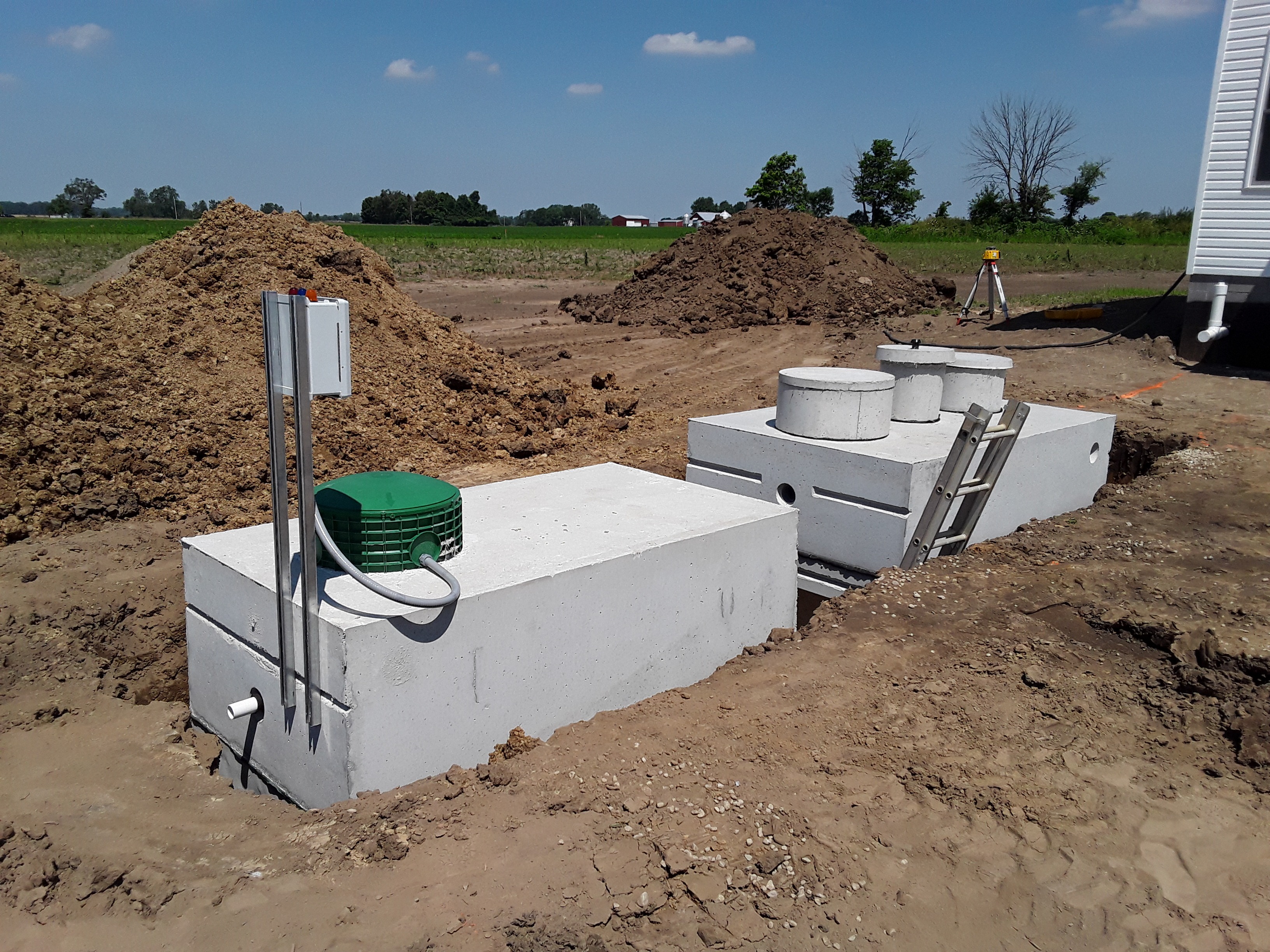
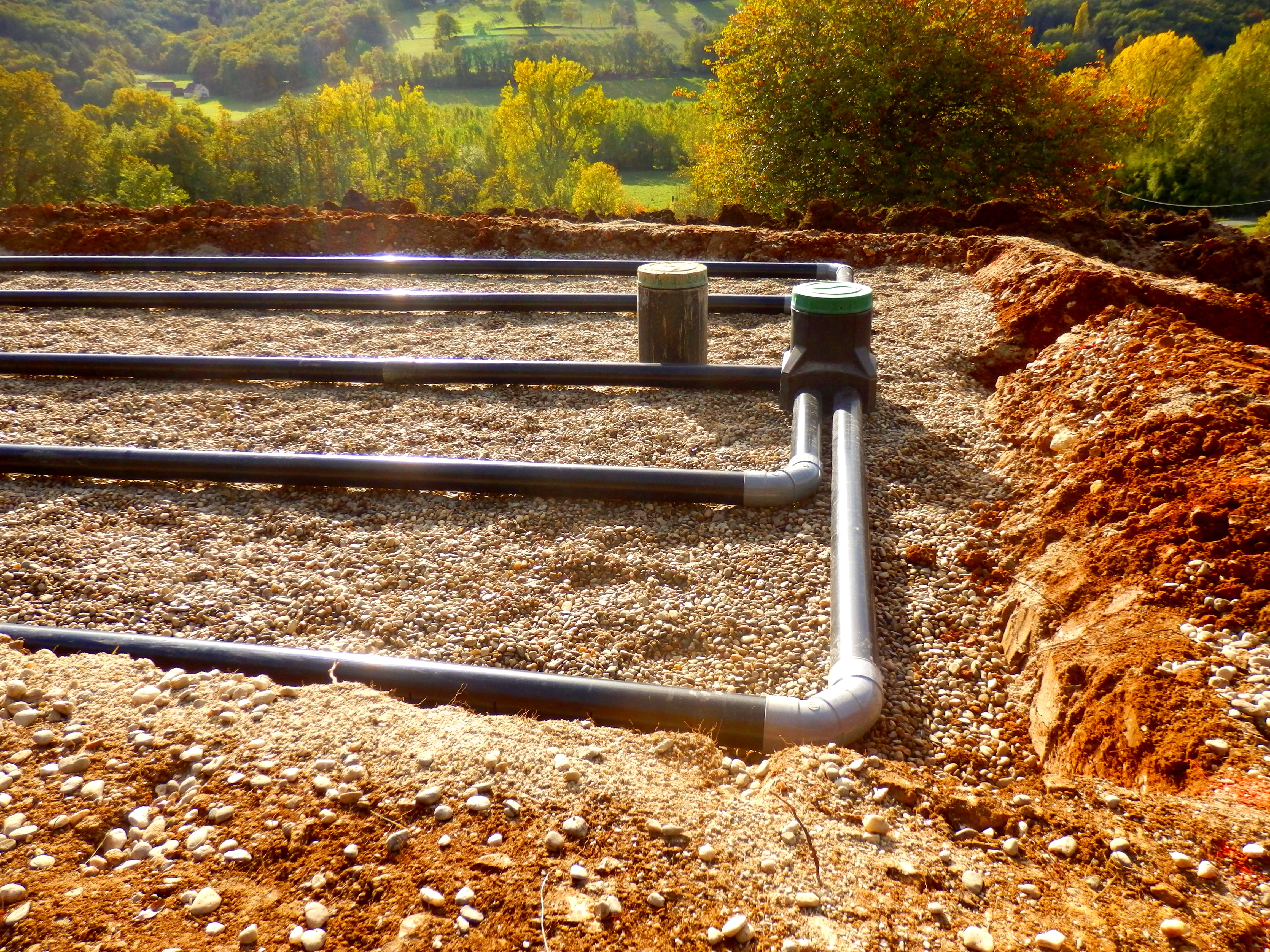
Septic systems handle all the wastewater from your home. They aren't just a big tank in the ground; they consist of pipes, a tank, and a drain field. Wastewater flows from your house into the tank, where it naturally separates. Solids settle at the bottom, while liquids move into the drain field, where they're filtered by the soil. It's a neat little process that works like magic—until it doesn't. Most people assume septic systems are maintenance-free, but neglect can lead to costly repairs. So, it’s important to understand how this system functions to keep it running smoothly.
Maintenance Tips for Septic Systems
Keeping your septic system in tip-top shape is all about regular care. Start with a professional inspection every three years. This ensures the system is functioning correctly and helps catch problems before they become expensive headaches. Pump the system every three to five years to remove sludge. Remember, what goes in affects the system. Avoid flushing anything other than toilet paper and human waste. Even "flushable" wipes can wreak havoc. Use water efficiently to prevent overwhelming the system. This means fixing leaky faucets and spreading out laundry loads. The longer you wait, the bigger the problem can become, so it pays to stay vigilant.
Exploring Well Water Systems
Once you've got a handle on septic systems, it's time to turn your attention to well water systems. These systems provide your household water, so knowing the essentials helps ensure safe, reliable water for your home.
Well Water System Essentials
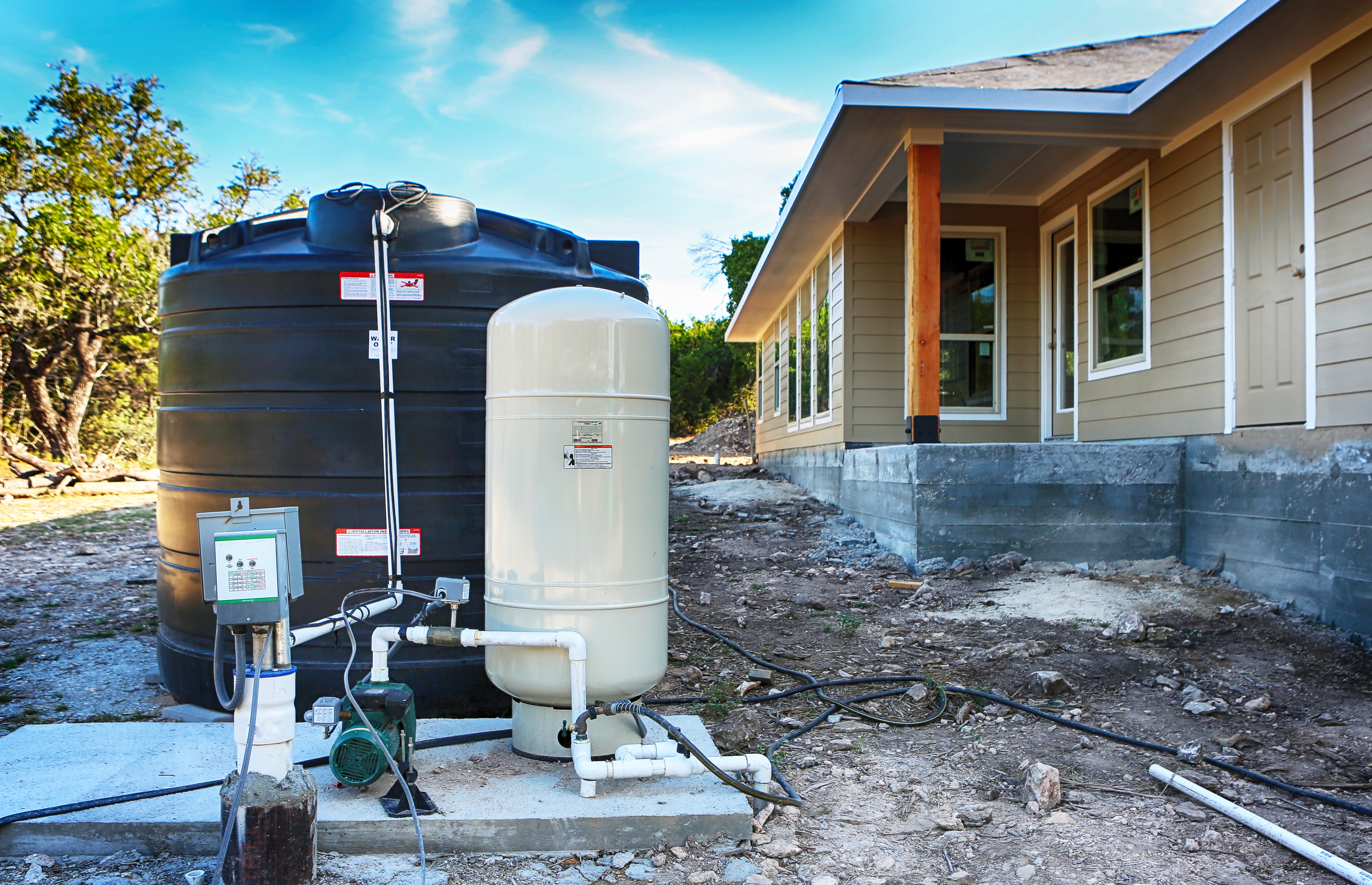
A well water system taps into underground water supplies to bring fresh water to your home. It includes a pump, pipes, and a pressure tank. The pump pulls water from the ground into your home, while the pressure tank keeps the water pressure steady. This setup delivers clean water with minimal fuss. Still, some folks believe groundwater is naturally pure. However, contaminants can seep in, so regular testing is a must. Most wells require an annual inspection to ensure the pump is working and the water is safe. Staying on top of these basics helps keep your water tasty and safe.
Checking Water Quality
Ensuring your well water is safe doesn't have to be a mystery. Start by testing your water once a year. This checks for bacteria or contaminants like nitrates. If you've never done this before, you can contact a local lab or health department for guidance. A simple test can make sure you're not drinking anything nasty. Keep an eye out for changes in taste, smell, or color, as these can signal issues. Treating the water, if needed, can involve filtration systems or chemical treatments. Remember, most people think well water is always safe, but a little vigilance goes a long way.
Buying Rural Homes with Confidence
Armed with septic and well water know-how, you’re ready to explore rural homes with confidence. But let's not stop here—let's dive into the key steps for a successful property viewing.
Property Viewing Checklist
Before you fall in love with that charming farmhouse, make a checklist. Start with the obvious: inspect the roof, foundation, and windows. Then, dig deeper. Ask about the age of the septic system and when it was last pumped. Check for water damage or stains, indicating possible leaks or drainage issues. Test faucets and flush toilets to check water pressure. Review any available maintenance records. These simple steps help uncover potential issues before you close the deal. Remember, the more you know upfront, the fewer surprises you'll encounter later.
Durham Region Real Estate Insights
Exploring rural properties in the Durham Region? You're in for a treat. This area offers a mix of scenic beauty and practical living. With a range of properties from cozy cottages to sprawling estates, there's something for everyone. Many buyers are drawn to the region's accessibility, just a stone's throw from urban amenities. The real estate market here is thriving, with properties often appreciating in value. Engaging with local real estate experts can provide valuable insights into market trends and opportunities. It’s a community where you can enjoy the best of both worlds—peaceful living and convenient access.
With this guide, you're equipped to make informed decisions when buying rural homes in the Durham Region. Understanding septic and well water systems is key to ensuring your countryside retreat remains a dream, not a nightmare.